


Home | Articles | Analog Film
Kodak Panatomic X Review: Timeless Black-and-White Film
Richard ♦ November 19, 2024 ♦ 15 min read
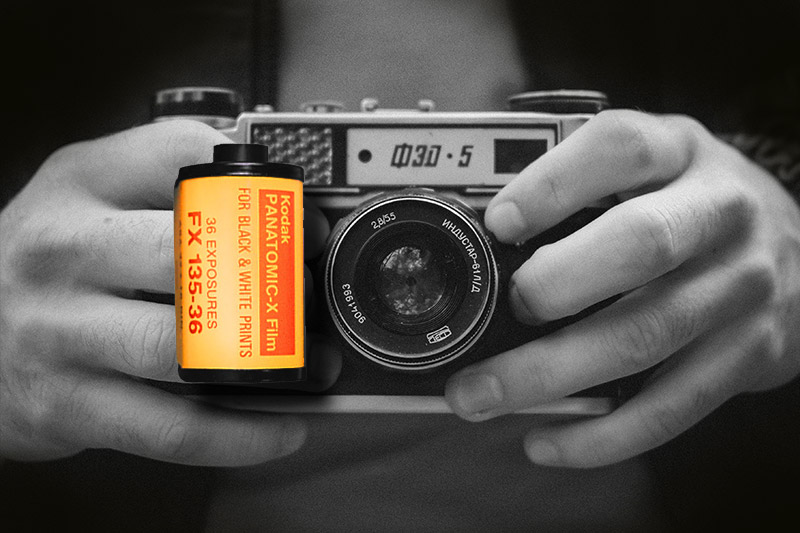
If you’re a fan of classic film photography, Kodak Panatomic X might already hold a special place in your heart. Known for its fine grain, incredible sharpness, and wide tonal range, this black-and-white film is perfect for anyone looking to achieve stunning detail and rich contrast.
Although discontinued, its legacy continues to inspire photographers. Here’s everything you need to know about it.
Panatomic X is one of several classic stocks available as Lightroom presets — browse the full black and white film preset collection to compare it against the rest of the range.
01.
What Makes Kodak Panatomic X Special?
Kodak Panatomic X was a black-and-white film renowned for:
- Panchromatic emulsion: Captured a wide spectrum of light, including extended red sensitivity.
- Exceptional image quality: Produced sharp, detailed images with high resolving power.
- Extremely fine grain: Ideal for enlargements and applications requiring precision, such as architectural, fine art, and aerial photography. [1]
Emulsion and Sensitivity
Thin, hardened emulsion:
- Allowed for rapid processing, even at elevated temperatures.
- Ensured compatibility with modern continuous-processing machines.
Sensitivity:
- Rated at ASA 32, making it one of Kodak’s slowest films.
- Favored by photographers prioritizing image quality over speed.
Tonality and Grain
Contrast and tonality:
- Medium to high contrast with excellent highlight and shadow detail.
- Smooth tonal range ideal for artistic and technical photography.
Grain structure:
- Ultra-fine grain enabled significant enlargements without noticeable degradation.
- Highly valued for its clarity and definition in large-format applications. [2]
Processing and Development
Panatomic X offered versatile development options, compatible with a range of developers:
Kodak developers:
- HC-110: Enhanced sharpness and fine detail.
- D-76: Balanced tonal range with no visible grain, yielding high-quality negatives.
- Microdol-X: Reduced grain for even smoother results.
- Xtol: Highlighted fine grain while maintaining sharpness. [3]
Customizable workflow:
- Development times varied based on developer, temperature, and agitation.
- Photographers could tailor the process to meet their desired outcomes.

Recreate the refined tones with Kodak Panatomic X Lightroom presets.
02.
How It Handles Development
Developing Kodak Panatomic X black-and-white analog film is both a rewarding and creative endeavor, offering flexibility in achieving various results. Below are some of the most popular developers used with this film:
Rodinal
A classic liquid developer with over a century of use. Notable for its versatility and long shelf life, even in partially used bottles.
Key Characteristics:
- Common dilution: 1:100.
- Stand development: Typically employed for about one hour, ensuring fine grain and high resolution.
- Suitable for pushing the film’s effective speed if needed.
Advantages:
- Reliability and ease of use.
- Tolerates minor timing variations, making it ideal for extended development sessions. [6]
Diafine
A two-part developer known for simplicity and consistent results. Operates without the need for strict temperature control or pre-wetting.
Process:
- Part A: Minimum three minutes.
- Part B: Minimum three minutes.
Key Benefits:
- Processes films of various speeds simultaneously.
- Fixed development time streamlines the workflow.
- Ideal for photographers seeking an uncomplicated yet effective method. [6]
Kodak D-76
An industry-standard developer widely appreciated for its reliability and adaptability. Frequently used in educational settings and by amateur photographers.
Key Characteristics:
- Straightforward to use and easy to replenish for consistent results.
- Works effectively with Panatomic X, producing: High-quality negatives, Balanced tonal range, Virtually no visible grain.
Advantages:
- Reflects the unique tonal characteristics of Panatomic X.
- Delivers professional-grade results suitable for a wide range of applications. [6]
Each of these developers offers distinct qualities, allowing photographers to tailor their development process to suit specific creative or technical goals.
03.
Applications and Use Cases
Kodak Panatomic X, celebrated for its fine grain and exceptional sharpness, is favored in black-and-white photography for scenarios demanding high resolution and intricate detail. Its unique characteristics make it ideal for the following:
- Studio Work: Perfect for controlled lighting environments, producing sharp and clean images.
- Portraiture: Enhances the subtleties of skin texture and tonal gradation for stunning results.
- Fine Art Photography: Excels in capturing texture, contrast, and tonal range, adding depth to artistic compositions. [6]
Technical Considerations
The choice of developer plays a significant role in maximizing the potential of Kodak Panatomic X. Key considerations include:
- HC-110 Developer: Renowned for its versatility and consistency across different film types. Maintains excellent grain control, complementing Panatomic X’s fine-grain properties. Enhances tonal depth, making it a popular choice for high-quality results.
- Diafine Developer: Offers a fixed development time regardless of film type or temperature. Simplifies workflow, enabling simultaneous development of multiple film types. Ideal for fast-paced environments or when precise temperature control isn’t feasible. [6]
Why Photographers Love the Panatomic X
Kodak Panatomic X’s unique attributes make it a go-to for creative photographers. Notable applications include:
- Landscape Photography: Captures fine details with high resolution, bringing out textures in natural scenes.
- Architectural Studies: Perfect for showcasing structural precision and subtle variations in light and shadow.
- Nostalgic Aesthetics: Its inherent texture and tonality evoke a timeless quality, appealing to those aiming for an authentic, vintage feel.
Hybrid Workflows
- Combines traditional film characteristics with modern digital techniques.
- Allows for: Capturing Panatomic X’s signature fine-grain detail and tonal range. Leveraging digital tools for post-processing and sharing, expanding creative possibilities. [6]
04.
Comparisons with Other Films
Kodak Panatomic-X stands out in the black-and-white film category for its exceptional fine grain and tonal rendition. These characteristics make it ideal for high-detail photography in controlled lighting conditions.
Notable Features:
- Slow speed (ASA 32), contributing to its high image quality.
- Versatility in producing sharp, finely detailed images.
- Often described as a “fine-grained general-purpose film” by photographers like Alex Luyckx. [2]
In comparison, faster films like Kodak Tri-X cater to different photographic needs, such as speed and adaptability in varied lighting conditions.
Comparison with Kodak Tri-X
Kodak Tri-X:
- Speed: ASA 400, making it a top choice for low-light, documentary, and street photography.
- Characteristics: Coarser grain compared to Panatomic-X. Greater exposure latitude, providing flexibility in challenging lighting scenarios. [7]
- Use Cases: Suited for dynamic, fast-paced photography where quick shutter speeds are crucial.
Kodak Panatomic-X:
- Speed: ASA 32, requiring brighter lighting conditions or controlled environments.
- Characteristics: Extremely fine grain for sharp, high-resolution images. Superior tonal rendition, allowing detailed highlight and shadow separation. [8]
- Use Cases: Preferred for studio, fine art, architectural, and landscape photography, where image quality takes precedence over speed.
Key Differences
Grain:
- Panatomic-X produces finer grain, making it ideal for large prints and high-detail applications.
- Tri-X has more pronounced grain, lending itself to a classic, gritty aesthetic appreciated in street photography.
Lighting Requirements:
- Panatomic-X thrives in well-lit settings.
- Tri-X excels in low-light or unpredictable lighting environments.
Comparison with Kodak Plus-X
Kodak Plus-X offers a compelling middle ground in the spectrum of Kodak’s black-and-white films, but several key distinctions set it apart from Panatomic-X:
Speed:
- Plus-X: ASA 125, faster than Panatomic-X, making it slightly more versatile in varied lighting conditions.
- Panatomic-X: ASA 32, slower but optimized for maximum image detail and fine grain in controlled or brightly lit environments. [7]
Grain and Detail:
- Plus-X: Known for its fine grain and smooth tonal transitions, it offers an excellent balance of quality and usability.
- Panatomic-X: Excels in extreme detail preservation, making it a better choice for large prints and high-resolution applications. [7]
Applications:
- Plus-X: Favored for general-purpose photography where speed and quality need to coexist.
- Panatomic-X: Ideal for photographers prioritizing exceptional detail and tonal range, especially in fine art, studio, and architectural photography.
Photographers often chose between these films based on their project needs: Plus-X for flexibility, and Panatomic-X for uncompromising quality.
Here’s a quick look at how Kodak Panatomic X stacks up against other films:
| Film | Speed | Best For | Unique Trait |
| Panatomic X | ASA 32 | Detail, studio, fine art | Ultra-fine grain and sharpness |
| Kodak Tri-X | ASA 400 | Street, documentary | High exposure latitude |
| Kodak Plus-X | ASA 125 | General-purpose shooting | Balance between speed and fine grain |
05.
Legacy and Impact of the Kodak Panatomic X Film
Kodak Panatomic-X has left a lasting imprint on the world of photography, celebrated for its unique aesthetic qualities and enduring appeal among analog enthusiasts. Its legacy is defined by several key aspects:
Iconic Image Quality
- Fine Grain and Sharpness: Known for producing exceptionally fine-grained images with remarkable sharpness, Panatomic-X became the film of choice for photographers aiming to capture intricate details and textures. Its broad dynamic range allowed for nuanced tonal variations, delivering a richness that is hard to replicate digitally. [4]
- .
- Emotional Depth: The film’s ability to render complex tonal ranges made it a favorite for artistic projects that sought to explore themes of emotion, struggle, or beauty. For instance, the “Steel Town” project utilized Panatomic-X to effectively depict economic hardship through its tonal depth and texture. [11]
Artistic and Nostalgic Appeal
- Timeless Aesthetic: The tactile grain of Panatomic-X gives images a vintage, cinematic quality that resonates with fine-art photographers and those seeking to evoke a sense of nostalgia in their work. This characteristic contributes to the emotional depth and authenticity associated with film photography. [4]
- Cultural Relevance: Even after its discontinuation, Panatomic-X remains a benchmark for analog photography. Its characteristics influence contemporary photographers, who often seek to emulate its look through hybrid processes combining film and digital techniques. [4]
A Philosophy of Photography
- Engagement with the Process: The slower, more deliberate process of shooting and developing film fosters a deeper connection between the photographer and their craft. The anticipation of seeing developed negatives adds an element of excitement and surprise that digital workflows lack.
- Influence on Artistic Philosophies: Panatomic-X encouraged photographers to focus on storytelling and craftsmanship, emphasizing the journey of creation as much as the final image. Its role in shaping photographic artistry remains a testament to its significance.
Enduring Legacy
- Despite the dominance of digital photography, Panatomic-X continues to inspire and attract both seasoned professionals and new generations of photographers. Its qualities have become a symbol of analog photography’s artistic and emotional richness, affirming its relevance even in the digital age. [4]
- The film’s impact transcends its technical specifications, representing a commitment to intentional artistry and the enduring charm of analog mediums.
06.
Review of Kodak Panatomic-X Black and White Analog Film
Kodak Panatomic-X is celebrated as a black-and-white film that epitomized fine grain, sharpness, and exceptional tonality. Introduced in the 1930s, it quickly became a favorite for its ability to deliver high-resolution images and nuanced tonal transitions, making it ideal for various photographic genres such as portraiture and landscape photography.
Legacy and Availability
- Discontinuation and Enthusiast Appeal: Although Kodak discontinued Panatomic-X, it remains a cherished film among analog photographers for its unique aesthetic.
- Vintage Discovery: Many photographers today encounter Panatomic-X through vintage camera finds or estate sales, where unused rolls of this iconic film resurface.
- Longevity: Remarkably, Panatomic-X is known for its durability. Even expired rolls from decades ago can produce exceptional results, demonstrating the film’s resilience and quality. [1]
Key Characteristics
- Unmatched Resolution and Tonality: Panatomic-X’s emulsion offered unparalleled resolving power and subtle tonal transitions, making it a standout among slow-speed films.
- Comparison to Peers: While films like Ilford Pan F+ (ISO 50) or Agfapan APX 25 provide fine grain and similar speed, Panatomic-X’s tonal range and usability in varying lighting conditions set it apart.
- Professional Formats: A professional variant, FXP, was produced in the 120 format, highly valued by collectors and medium-format enthusiasts.
- [12]
Modern Comparisons
- Contemporary Alternatives: Films like Rollei ATP have entered the market as alternatives, appealing to those seeking a similar fine-grain aesthetic.
- Enduring Distinction: Despite modern offerings, photographers often highlight Panatomic-X’s unique tonality and sharpness as reasons for its continued reverence in the analog photography community. [13]
Photographic Impact
- Facilitating Artistry: Panatomic-X was more than a film; it was a medium for creative expression. Its ability to capture emotional depth made it an invaluable tool for photographers exploring profound themes.
- Lasting Influence: Those who have worked with Panatomic-X often recall how its qualities shaped their projects, leaving an indelible mark on their artistry and the broader field of photography. [11]
07.
Photographers about the Kodak Panatomic X Film
Mike Eckman:
Experience: Eckman praises Panatomic-X for its longevity and stability, stating that even decades-old rolls can be shot at their box speed with minimal degradation. He recalls using rolls from the 1960s and 1970s that performed remarkably well, often shooting at ASA 25 for optimal results. He emphasizes the film’s fine grain and sharpness, noting that it is not ideal for portraits due to its ability to reveal imperfections in skin textures. (Source)
Alex Luyckx:
Experience: Luyckx describes Panatomic-X as a “fine-grained general-purpose film” that excels in detail and tonal range. He appreciates its slow speed (ASA 32), which allows for careful composition and exposure control. His first encounter with the film left a lasting impression, leading him to prefer it over faster films like Plus-X. He highlights the film’s ability to produce images with rich tonal gradation, particularly when developed in D-76. (Source)
Alyssa Chiarello:
Experience: Chiarello shares her enthusiasm for shooting with expired Panatomic-X, noting its “awesome” name and performance. She emphasizes that the film produces images with zero visible grain, showcasing excellent contrast and tonality across the spectrum. Her experience with the film reinforces its reputation for delivering high-quality results even after expiration. (Source)
Urban Decay Blog:
Experience: A reviewer on this blog highlights Panatomic-X’s suitability for detailed photography in architectural settings, emphasizing the need for a tripod due to the film’s slow speed. The reviewer contrasts Panatomic-X with other films, asserting that it provides a “true look of classic film photography” that is hard to replicate with modern alternatives. The review reflects a deep appreciation for the film’s unique qualities and historical significance. (Source)
Casual Photophile:
Experience: This review recounts shooting with a 50-year-old roll of Panatomic-X, which yielded impressive results comparable to fresh film. The reviewer notes minimal base fog and excellent sensitivity, showcasing the film’s remarkable resilience over time. This experience underscores the film’s reputation as a reliable choice even decades after its expiration date. (Source)
08.
Where to Buy Kodak Panatomic X Film
Kodak Panatomic-X film is no longer in production, making it somewhat challenging to find. However, there are several options for purchasing expired rolls of this classic black-and-white film:
- eBay: Many users report finding Kodak Panatomic-X on eBay, with prices typically starting around $30 per roll. The availability can vary, so it’s advisable to check regularly for listings from various sellers
1. - Aly’s Vintage Camera Alley: This site mentions that expired rolls can be found on eBay and provides insights into the film’s characteristics and user experiences. They recommend keeping an eye out for good deals as prices can fluctuate. (Source)
- Local Camera Shops or Vintage Stores: While not specifically mentioned in the search results, local vintage camera shops or specialty photography stores may occasionally have expired stock or might be able to order it for you.
- Photography Forums and Groups: Engaging with photography communities online, such as forums dedicated to film photography, can lead to opportunities for purchasing rolls from other enthusiasts who may have extra stock.
- Social Media Marketplaces: Platforms like Facebook Marketplace or Instagram can also be useful for finding sellers who specialize in vintage or expired film.
Given that Kodak Panatomic-X was discontinued in the late 1980s, most available stock will be expired, and while many photographers report good results with expired film, it’s essential to manage expectations regarding performance.
Discover related Analog Film Reviews
Kodak TRI-X 400 Review
Agfa Scala 200X Review
Fujifilm Neopan 400 Review
Fujifilm Pro 400H Review
Fujifilm Instax Review
Fujifilm Neopan Acros 100
Kodak T-MAX 100 Review
Fuji Lightroom Presets for Film Enthusiast:
Agfa Scala 200X Presets
Fujifilm Neopan 400 Presets
Fujifilm Neopan Acros 100 Presets
Kodak T-MAX 100 Presets
Kodak T-MAX 3200 Presets
Kodak T-MAX 400 Presets
Kodak TRI-X 400 Presets
Richard is a commercial and editorial photographer with over 15 years behind the lens. He’s shot on film and digital across three continents, and still keeps a Nikon F3 loaded with Kodak Portra on his desk. At LegendaryPresets, he leads preset development – studying actual film scans to make sure every stock behaves like the real thing.