


Home | Articles | Analog Film
Kodak T-MAX 100 Review: Fine Grain & Classic Tonal Range
October 26, 2024
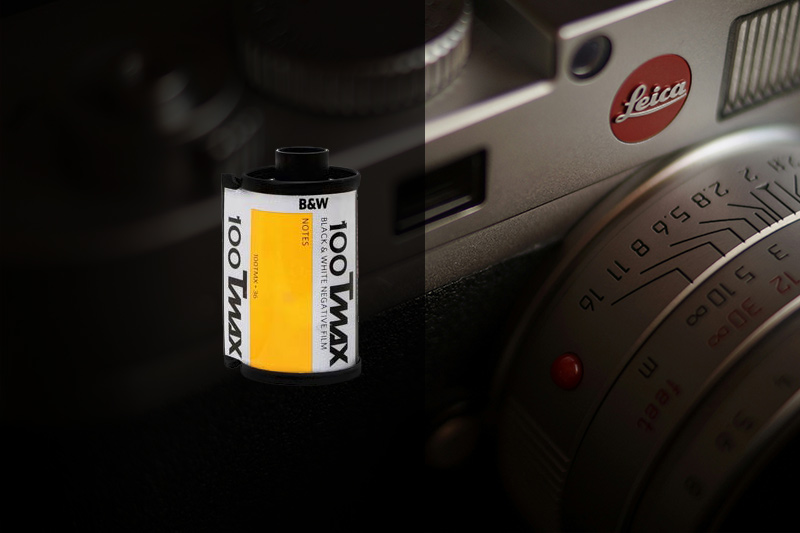
Why do photographers still choose black and white film in a digital age? Kodak T-MAX 100 stands out with its fine grain, classic tonality, and versatility. As analog photography resurges, T-MAX 100 remains a favorite for its distinct aesthetic and timeless appeal. In this article, we explore what makes it a go-to choice and how it competes with modern alternatives.
Want to explore beyond this stock? The full Kodak preset range has you covered, from punchy consumer films to the muted tones of professional stocks.
Key Takeaways
- Proven Legacy: Launched in the 1980s, T-MAX 100 offers fine grain and broad tonal range. It remains a favorite among photographers.
- Distinct Features: Fine t-grain, low contrast, and versatile tones make it ideal in varied lighting.
- Reliable Performance: Sharp, low-grain results with Zone System compatibility for better contrast control.
- Versatile Use: Great for portraits, landscapes, and events, with consistent shadow and highlight detail.
- Positive Reception: Praised for flexibility in ISO and development processes.
01.
When Was Kodak T-MAX 100 Introduced?
Kodak introduced T-MAX 100 black and white film in the late 1980s, making a significant leap in black and white film technology. Here’s why it stood out:
- Fine Grain and Tonal Range: T-MAX 100 was designed to offer a very fine grain structure and a broad range of grays, which created a luminous and smooth look for different types of photography.
- Enhanced Reciprocity: It offered better performance in challenging lighting conditions, which made it a go-to choice for serious photographers looking for consistent results.
- Zone System Compatibility: The film was built to work seamlessly with the Zone System, allowing photographers to have more control over contrast and exposure in their images.
Over the Years:
- Popular for Portraits and Landscapes: Many photographers chose T-MAX 100 for portrait and landscape work due to its ability to capture fine details and produce richer tones, especially when developed with T-MAX developer.
- Refinements and Adjustments: Since its release, T-MAX films have undergone several updates, leading to discussions about how earlier and current versions differ. However, most users are happy with its current quality and performance.
Legacy:
- T-MAX 100’s enduring popularity highlights Kodak’s commitment to innovation in analog photography. Even as digital photography gained popularity, T-MAX continued to be favored by enthusiasts and professionals alike.
02.
What Are the Key Characteristics of Kodak T-MAX 100?
Kodak T-MAX 100 stands out from traditional black and white films with several unique features:
- Fine T-Grain Structure: The film uses a fine t-grain structure, which delivers smoother detail and a less noticeable grain compared to classic cubic grain films. This consistency results in a cleaner, more predictable image quality, which many photographers appreciate for its digital-like clarity [1].
Tonality and Contrast
- Low Contrast and Linear Tonal Response: T-MAX 100 is known for its low contrast and even tonal range, making it versatile across different lighting conditions.
- Sharpness and Shadow Detail: While the film captures high-edged detail well, some photographers find its shadow detail lacking, especially when enlarged. This may lead to washed-out blacks, depending on the processing method and preference [2].

Sensitivity and Exposure
- Sensitive to Development: T-MAX 100 requires careful handling in development since it’s sensitive to temperature, time, and agitation variations. It’s essential to test for the best exposure index (EI) and development times to get consistent results.
- Push-Friendly Flexibility: This film can handle pushing, giving photographers some flexibility with exposure without a major loss in image quality [3].
Application and Use
- Best for Portraits and Landscapes: T-MAX 100 excels in capturing high detail with minimal grain, making it great for portraits and landscapes.
- Zone System Compatibility: The film’s compatibility with Zone System techniques offers greater control over contrast, which is valuable for photographers who enjoy fine-tuning their images.
Here is the merged table combining all the features and their benefits:
| Feature | Benefit |
| Fine T-Grain | Smoother details and less noticeable grain. |
| Low Contrast | Versatile performance in different lighting conditions. |
| Push-Friendliness | Flexibility with exposure adjustments without major quality loss. |
| Zone System Ready | Enhanced control over contrast for precise photography. |
| Enhanced Reciprocity | Performs well under challenging lighting conditions, reducing exposure discrepancies. |
| Compatibility with T-MAX Developer | Yields even finer grain and richer tones when paired with its specific developer. |
| Sharp Detail with Fine Edges | Provides high-edged detail, which is beneficial for capturing textures and fine elements. |
| Flexible ISO Rating | Can be rated at different ISOs (e.g., ISO 50 or 100) to enhance highlights or shadows as needed. |
| Consistent Image Quality | Predictable results, which photographers appreciate for planning their shots. |
| Wide Tonal Range | Capable of capturing a wide range of grays, enhancing depth and light gradation in photos. |
03.
How Does Kodak T-MAX 100 Perform?
Kodak T-MAX 100 delivers exceptional performance that sets it apart from other black and white films. Here’s what makes it stand out:
- Superior Grain-to-Speed Performance: This film offers high-quality images with minimal grain, making it ideal for photographers seeking sharp and clean visuals.
- Zone System Compatibility: It works well with the Zone System, giving you more control over contrast during processing [1].
Exposure Techniques
- No Major Adjustments Needed: You don’t need to make big changes to your usual exposure techniques with T-MAX 100.
- Improved Reciprocity: Compared to other films, T-MAX 100 handles varied lighting better, reducing exposure discrepancies. Using ammonium thiosulfate fixers like Kodak Rapid Fixer is recommended for faster fixing times [1].
Developing Consistency
- Repeatable Processes Matter: Consistency is key with T-MAX 100. Even small temperature changes during development can impact results, so having repeatable work habits is crucial.
- Rating at ISO 50: Some users prefer rating the film at ISO 50 instead of the default 100. This can help preserve highlights and improve shadow detail [4].
Personal Preferences and Testing
- Smooth Rendering and Luminous Quality: Photographers appreciate T-MAX 100 for its fine grain and smooth look, which results in luminous images.
- Test for Best Results: If you want to explore the film’s full potential, conducting your own film speed and developing time tests is highly recommended. This way, you can adjust your process to achieve your desired aesthetic [4].
04.
What Are the Best Ways to Use Kodak T-MAX 100?
Kodak T-MAX 100 is a versatile black and white film that suits different photography styles, especially for those aiming to create scenes rather than just capturing them. Here’s a breakdown of its strengths:
- Ideal for Portraits and Landscapes: T-MAX 100 is a favorite among portrait and landscape photographers due to its sharpness and fine detail.
- Great for Events: It excels in events like weddings, especially when using flash to enhance details. However, if you prefer capturing ambient light, switching to films like Kodak Tri-X 400 might be a better option [7].
- Distinct Tonality: Many photographers appreciate the unique tonal quality of T-MAX 100, making it a preferred choice over other films.
Aesthetic Quality
- Fine Grain and High Contrast: T-MAX 100 retains detail in both shadows and highlights, making it reliable for high-contrast photography. Users often report consistent results without losing detail, even in tough conditions.
- Attention to Exposure and Development: The film can be less forgiving in terms of exposure and development. Small mistakes can lead to undesirable outcomes, so paying close attention to exposure settings and development times is crucial. When done right, it delivers creamy grain and excellent contrast [1].
05.
Who Are the Competitors of Kodak T-MAX 100?
While Kodak T-MAX 100 is highly regarded for its fine grain, sharpness, and tonal range, there are other black and white films that photographers often consider as alternatives based on their specific needs and preferences. Here are a few notable competitors:
- Ilford Delta 100: Known for its fine grain and wide tonal range, Ilford Delta 100 offers similar characteristics to T-MAX 100. It’s praised for its sharpness and detail, making it a top choice for portraits and landscapes.
- Fujifilm Neopan Acros 100: Famous for its ultra-fine grain and smooth tonal transitions, Fujifilm Neopan Acros 100 is often chosen for its excellent reciprocity characteristics and high-quality results in long exposures. Photographers who value precision in highlights and shadows frequently turn to Acros 100.
- Kodak TRI-X 400: While rated at a higher ISO, Kodak TRI-X 400 is well-loved for its versatility and classic look. It offers a more pronounced grain and higher contrast, making it ideal for capturing scenes with a vintage or raw aesthetic.
- Ilford FP4 Plus: Ilford FP4 Plus is a versatile choice for those who prioritize flexibility in exposure and development. It offers fine grain and good contrast, making it reliable for various lighting conditions and shooting styles.
Comparison Table
| Film | Key Characteristics |
| Kodak T-MAX 100 | Fine grain, low contrast, excellent tonality, high detail, Zone System compatibility. |
| Ilford Delta 100 | Fine grain, wide tonal range, sharpness, and detail. |
| Fujifilm Neopan Acros 100 | Ultra-fine grain, smooth tonal transitions, excellent for long exposures. |
| Kodak TRI-X 400 | Versatile, classic look, more pronounced grain, and higher contrast. |
| Ilford FP4 Plus | Flexibility in exposure, good contrast, and fine grain for varied styles. |
06.
How Is Kodak T-MAX 100 Received by Photographers?
Kodak T-MAX 100 has earned a solid reputation in the photography community due to its distinct look and versatility. Here’s what photographers love about it:
- Classic Aesthetic with Fine Grain: It delivers sharp images with a fine grain, creating a classic style that fits well with portrait, landscape, and various other photography genres.
- Excellent Tonality and Mid-Tone Detail: The film excels in producing rich mid-tones and dynamic images, making it a go-to choice for capturing depth and contrast [5].
- Welcomed by Enthusiasts and Pros Alike: Although considered a professional film, it’s also popular among enthusiastic amateurs due to its forgiving nature. Users have found that experimenting with ISO ratings (like ISO 400 or 800) can still yield high-quality results, enhancing its flexibility [6].
Unique Visual Experience
- Strong Contrast and Shadow Detail: T-MAX 100 offers a unique combination of fine grain, strong contrast, and excellent detail in both shadows and highlights. This non-linear handling of highlights adds to its classic appearance.
- Compatibility with Development Processes: Photographers appreciate its adaptability with various development processes, such as using D-76 developer at a 1:1 ratio, which further expands its appeal.
With frequent use in important projects and exhibitions, T-MAX 100 successfully blends traditional aesthetics with modern performance. It remains a favorite choice for many, thanks to its reliability and versatility across a wide range of photographic applications [9].
Further Readings:
Kodak TMax 100 Review (& TMax 400)
Discover related Analog Film Reviews
Kodak TRI-X 400 Review
Agfa Scala 200X Review
Fujifilm Neopan 400 Review
Fujifilm Pro 400H Review
Kodak Lightroom Presets for Film Enthusiast:
Kodak T-MAX 400 Presets
Kodak T-MAX 3200 Presets
Kodak TRI-X 400 Presets
Kodak Panatomic X Presets