


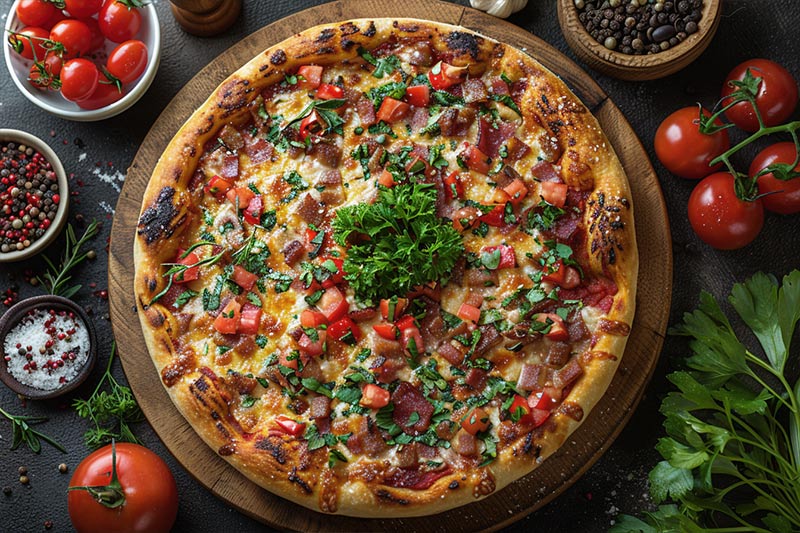
Capturing mouthwatering images of pizza is an art form that requires both technical skill and a keen eye for visual appeal. From perfectly melted cheese to golden-brown crusts, the key is to make the viewer crave a slice through your photograph.
With the right camera settings, lighting techniques, and compositional elements, you can transform a simple pizza into a tasty work of art.
Imagine walking down a bustling city street, the aroma of freshly baked pizza wafting from a neighborhood trattoria. The steaming pie glistens under the warm glow of the restaurant’s neon sign, beckoning you to take a bite.
This is the power of pizza photography – the ability to evoke desire and transport the viewer to that very moment through a single image. In our social media-driven world, visually appealing food photography has become an essential tool for restaurants, food bloggers, and culinary enthusiasts alike.
A well-crafted pizza shot can make all the difference in whetting the appetite and enticing potential customers or followers.
01.
Essential Camera Settings
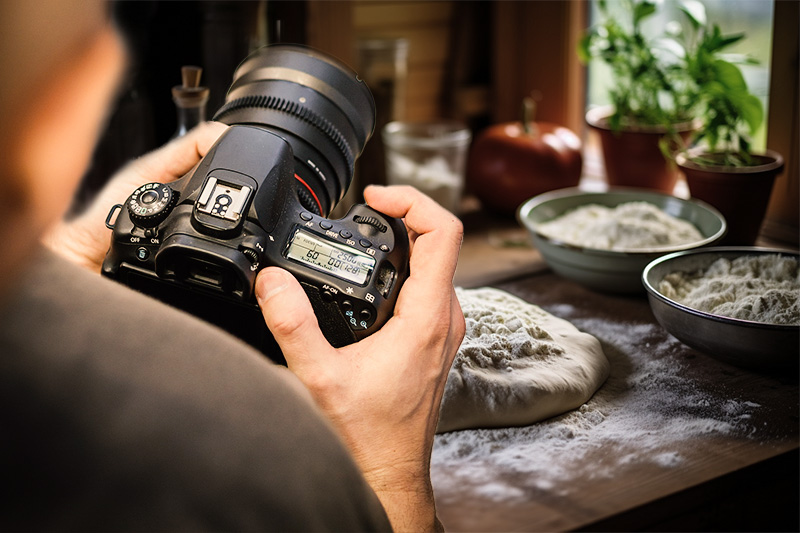
Alright, let’s talk camera settings first. The exposure trifecta of aperture, shutter speed, and ISO is key:
- Aperture controls depth of field. Go wide open around f/2.8 for super shallow focus that makes those toppings pop. Or stop down to f/8-f/11 if you want the whole scene sharp.
- Shutter speed freezes motion. 1/125th sec or faster is a safe bet unless you’re going for intentional blur on that cheese pull. Slower shutters are risky when shooting handheld.
- ISO keeps things bright. Start low around 100-400 in good light, but push it up as needed in dimmer situations like cozy pizza joints.
As for lighting, you’ll want to adapt. Bright daylight lets you leverage fast settings. But trickier indoor conditions mean adjusting ISO, using longer exposures if you’ve got a tripod, or finding that sweet window light.
02.
Composition and Styling
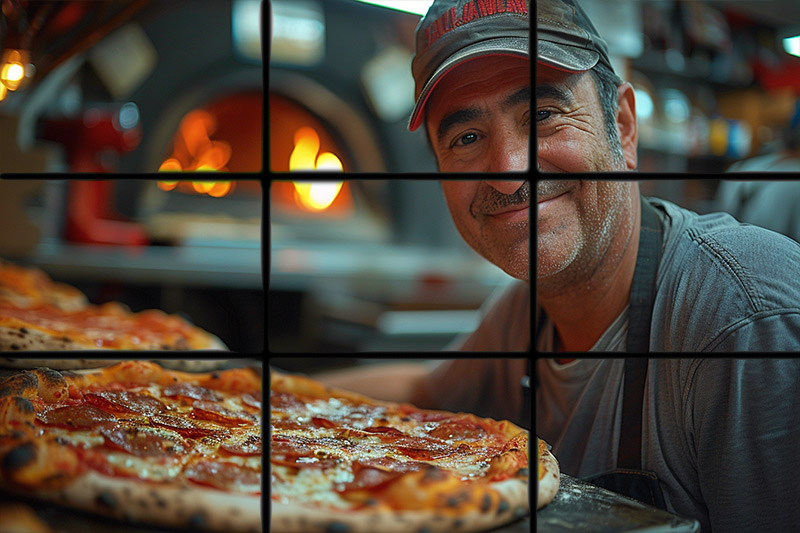
Now for the fun part – making that pizza look irresistible! Think about placement using composition principles:
- Rule of thirds – frame that slice along one of the gridlines
- Leading lines – use edges of the crust or a trail of toppings to guide eyes
- Negative space – let the pie breathe with open areas around it
Styling-wise, set the vibe you’re going for.
- A rustic Neapolitan pie? Use vintage props like a well-worn paddle or linen towel.
- Doing a full-tilt supreme? Get colorful with vibrant toppings and contrasting textures.
The background matters too:
- A clean white surface is perfect for minimalism.
- Weathered wood or crumpled butcher paper adds instant rustic appeal.
- Or stick to concrete or tile for neutral grittiness.
Experiment with different camera angels:
- Low Angle (45 degree): Best to highlight the golden crust
- Flat Lay (over-head): Perfect for showing colorful toppings
- Straight-on: For a bold statement
The key is telling a delicious visual story tailored to that particular pizza. So have fun getting creative while staying true to its essence.
03.
Lighting Techniques
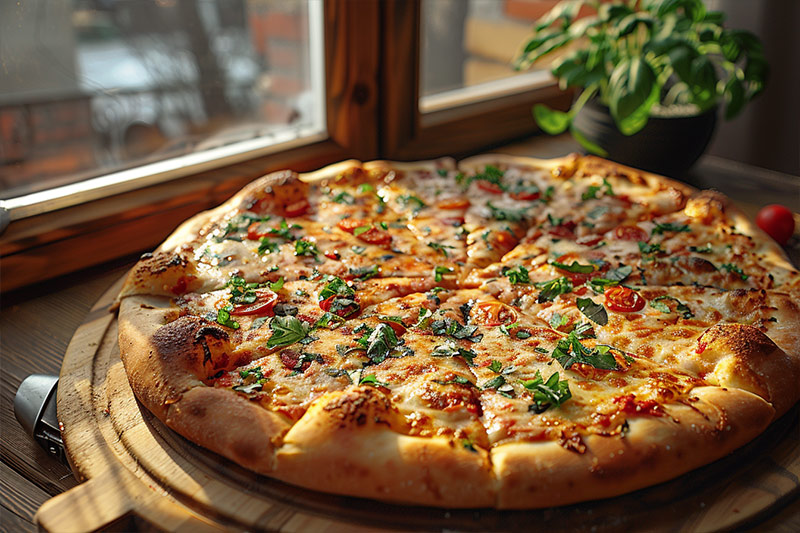
Lighting is everything when it comes to mouthwatering pizza shots. You want that cheese to glisten, those toppings to pop, and the crust to look crispy and inviting. Fortunately, you’ve got options:
Natural Light – The purest form and often the most flattering.
- Set up that pizza next to a big window and let that beautiful, soft daylight work its magic.
- Hit that golden hour sweet spot for warm, glowy tones.
- Or experiment with dappled shade for delicate highlights and texture.
Artificial Lighting – When nature’s not cooperating, go man-made.
- Continuous lighting like LED panels gives you total control and is perfect for video too.
- Or mimic sunlight with strobe flashes – just be mindful of harsh shadows.
- Mix it up by combining artificial with a hint of available light from the environment.
Either way, don’t be afraid to bounce light or add a reflector strategically. A little fill light brings out the details without blowing out the exposure.
04.
Photographing the Process
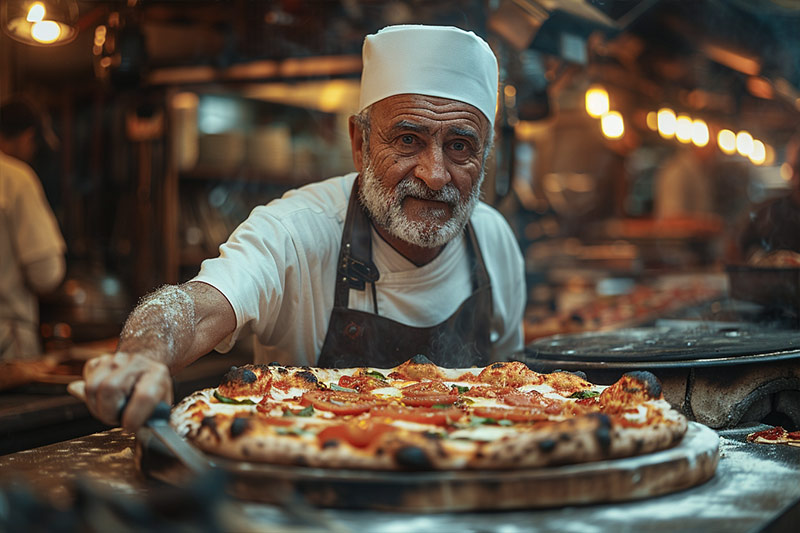
Of course, you don’t just want the final product – the story of how that pizza came to be is pure photography gold.
Restaurant kitchens buzz with energy. Focus on:
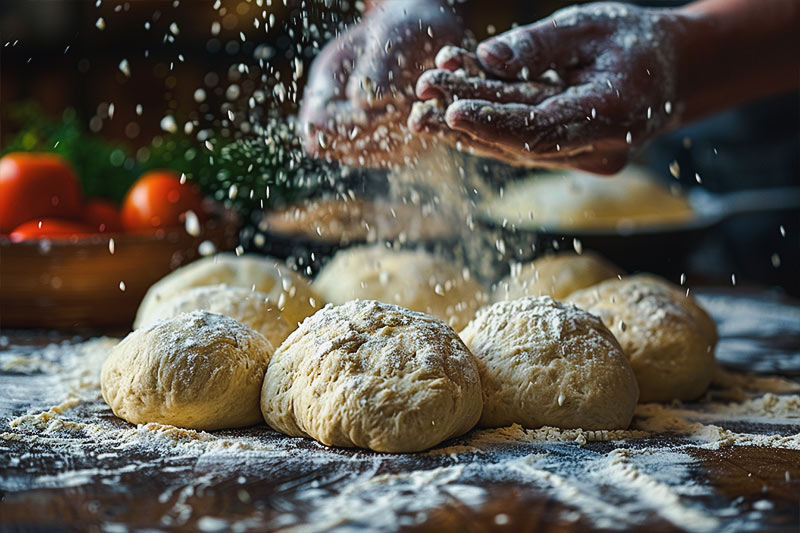
- The chef’s hands stretching and tossing that dough ball
- The look of concentration as they arrange each topping
- Dramatic shots of the pizza sliding into that blistering oven
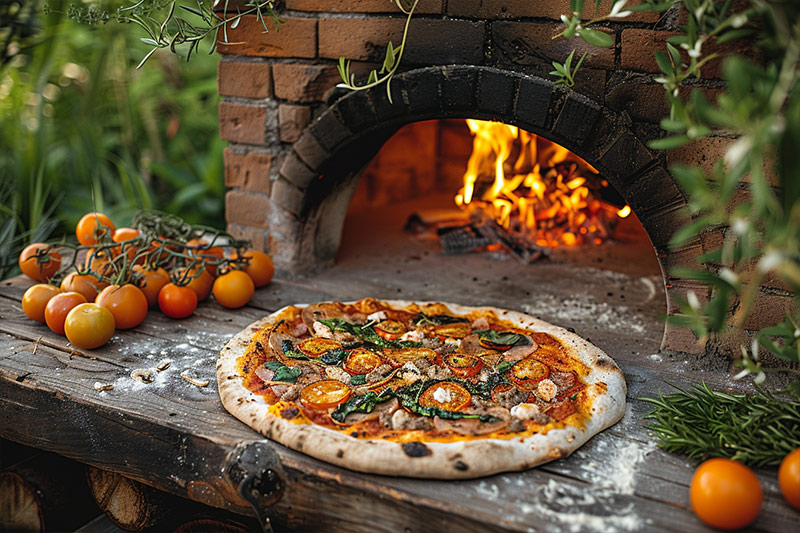
Home kitchens have their own charm:
- Basic apartment setups to swanky outdoor ovens
- Kids make the cutest little bakers
- Cozy pizza night with friends is so inviting
The key is anticipating the next step and being ready to rapidly switch angles. Bring a step stool for overheads. Maybe even a wide-angle to capture the whole scene.
05.
Post-processing and Editing
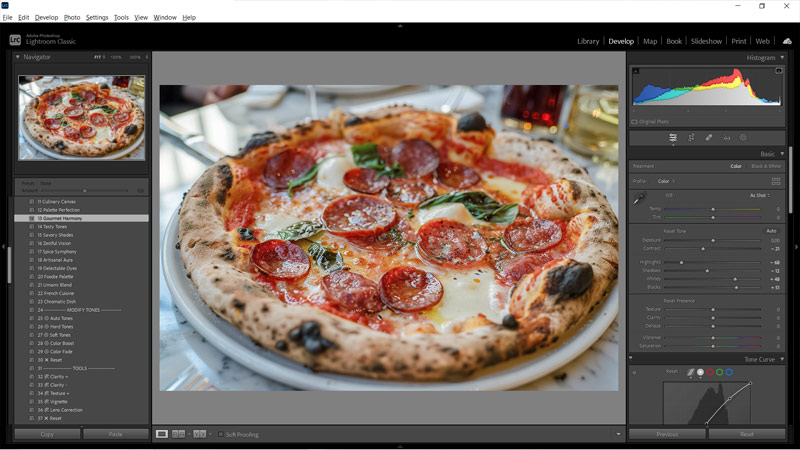
Even a stellar pizza shot straight out of camera can benefit from some editing love. Let’s start with the basics:
- Adjust exposure and contrast to make those toppings pop
- Nail that white balance for accurate, mouthwatering colors
- Use noise reduction for cleaner shots in low light
But don’t stop there – more advanced techniques can really take things next level:
- Selective adjustments let you tweak specific areas like boosting cheese glow
- Color grading and split toning add signature looks and moods
- Texture overlays bake in extra grit and character
- All too complicated, get a Food Preset to do the work for you
As for software, the classics like Lightroom and Photoshop are hard to beat. But plenty of powerful, user-friendly options like Capture One let you get stellar results without breaking the bank. Check out some free editing tutorials online to level up quickly.
06.
Creative Pizza Ideas and Inspiration
With pizza as your subject, there’s endless potential for unique perspectives and creative stylings:
- Dramatic angles like dizzying overhead shots or extreme low angles
- Abstract macro details that highlight a single delicious element
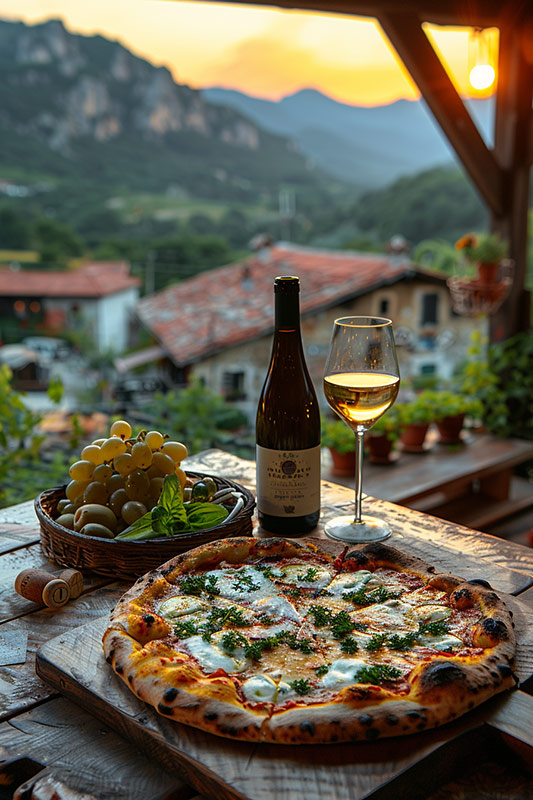
- Clever incorporation of tasty props like bottles of wine or olive oil
- Textured backdrops and surfaces that add visual interest
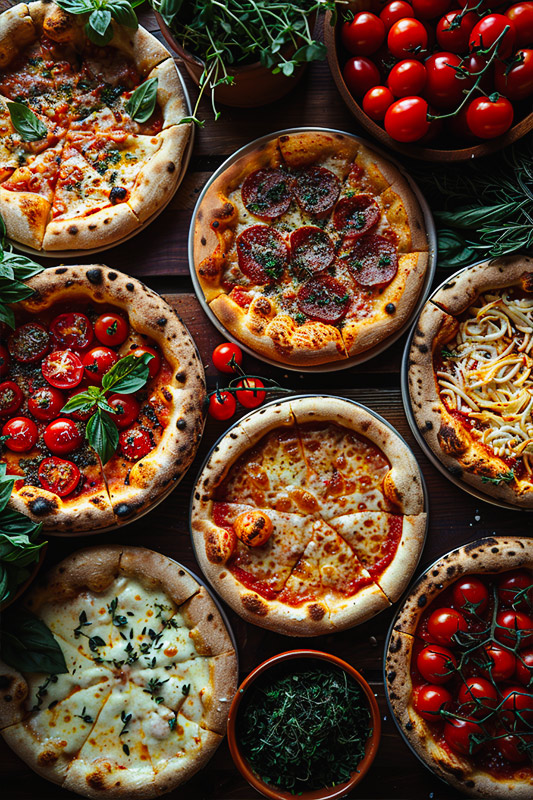
And of course, don’t sleep on the diversity of pizza itself. From deep dish to wood-fired Neapolitan, there’s inspiration in every regional style and inventive topping combination out there.
So experiment, play with light and shadows, and let your inner chef/photographer come out. Food photography should be as fun and delicious as the food itself!
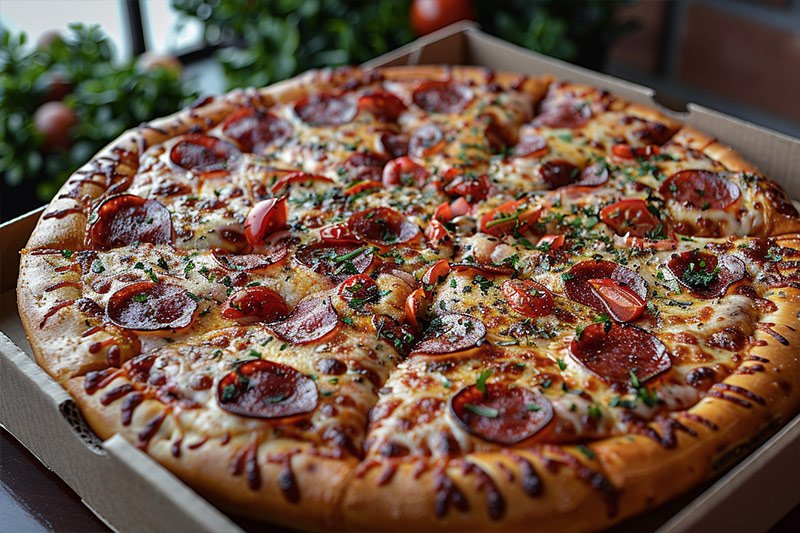
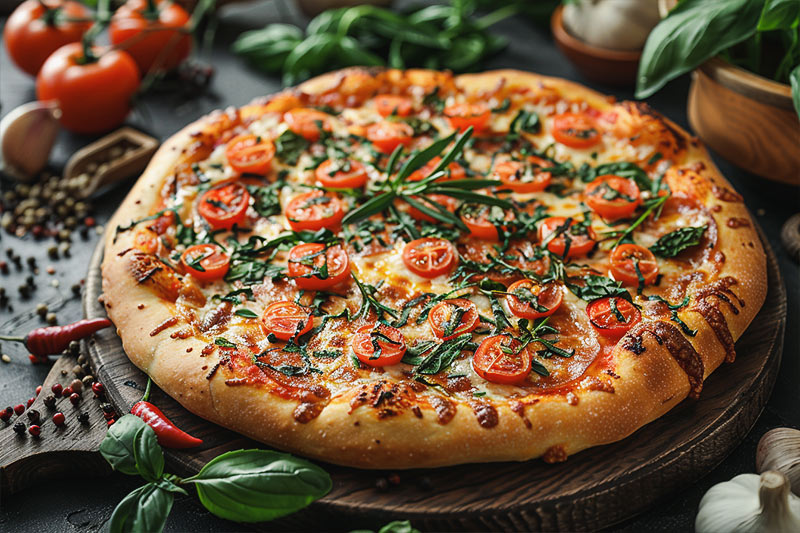
Example Pizza Images for your Inspiration




07.
Wrapping it UP
We’ve covered all the key ingredients for irresistible pizza photography – nailing exposure, crafting compositions, mastering light, and capturing the full story. But this is just the start of your journey!
Join online communities dedicated to food photography to share your work, get feedback, and discuss tips and gear. YouTube has a wealth of tutorials that’ll take your skills even further. And definitely invest in some basic lighting equipment and editing software – the right tools can make all the difference.
Most importantly, keep shooting and don’t get discouraged. Delicious pizza photos require practice, an eye for detail, and a whole lot of passion for the craft. Bon appétit!
Discover our selection of Food presets for Lightroom.
FAQ
How do you keep the pizza looking fresh for photos?
Work quickly before the pizza has a chance to go cold and dry out. Use a pizza warmer or heated surface to keep it at an appetizing temperature. You can also brush olive oil or garlic butter on the crust to revive its sheen. Have toppings like herbs or parmesan ready to sprinkle on right before shooting.
What gear is recommended for pizza photography?
An interchangeable lens camera that can shoot in manual mode is best, like a DSLR or mirrorless. Primes like a 35mm, 50mm or 24-70mm zoom give you flexibility for different angles. An external flash or continuous lighting can help in low light. Other handy tools are a tripod, reflectors, and a diffuser disk for food styling.
How do you capture an epic cheese pull?
Timing is key – have tongs or utensils ready to slowly pull the slice away from the rest of the pizza. Use a relatively fast shutter speed around 1/200th second to freeze the stringy cheese at its peak stretchiness. Good lighting from the side can highlight those delicious cheese strands.
What props and surfaces work well for pizza shoots?
Incorporate props that complement the pizza – jars of sauce or olive oil, herbs and vegetables used as toppings, drinks like wine or beer. Look for interesting surfaces with textures like distressed wood, slate, concrete or even non-traditional options like crinkled brown paper bags.
What settings should you use for low-light pizza photography?
In dimly lit restaurants or food trucks, use a higher ISO like 1600-3200, a wider aperture like f/2.8-f/4, and lean towards slower shutter speeds of 1/60th-1/30th second if you have stabilization. A prime lens helps maintain sharpness at large apertures.
What is food photography styling?
Food photography styling is the art of arranging and preparing food items in a visually appealing way before photographing them. For pizza, this could involve carefully arranging toppings, adding complementary props, using particular surfaces or backdrops, and adjusting the styling based on the type of pizza being shot.
Resources
Ideas for a the Pizza:
Campfire Pizza Bake Recipe
https://### campfirefoodie.com/campfire-pizza-bake/
How to Make Homemade Pizza
https://### my100yearoldhome.com/how-to-make-homemade-pizza-using-everything-in-your-refrigerator/
Homemade Classic Pizza Crust
https://### nicolestastingspoon.com/homemade-classic-pizza-crust/